If you are thinking about buying in Clarendon Hills, it helps to know that this is not a one-size-fits-all housing market. You may see older traditional homes, mid-century properties, and some newer infill construction, often within the same search. That mix can create great opportunities, but it also means you need to understand lot rules, home age, and local market pace before you make an offer. Let’s dive in.
Clarendon Hills at a glance
Clarendon Hills is a small, established west suburban village in DuPage County with Metra access and a strongly owner-occupied housing base. The village reports about 8,900 residents, while Census QuickFacts estimates the July 1, 2024 population at 8,703. Census data also shows an owner-occupied housing rate of 84.2%.
For buyers, that owner-occupied profile matters. It often points to a market where many owners stay put for longer periods, which can keep turnover limited. In a smaller village, even a modest change in listings can noticeably affect your options.
What kinds of homes you will see
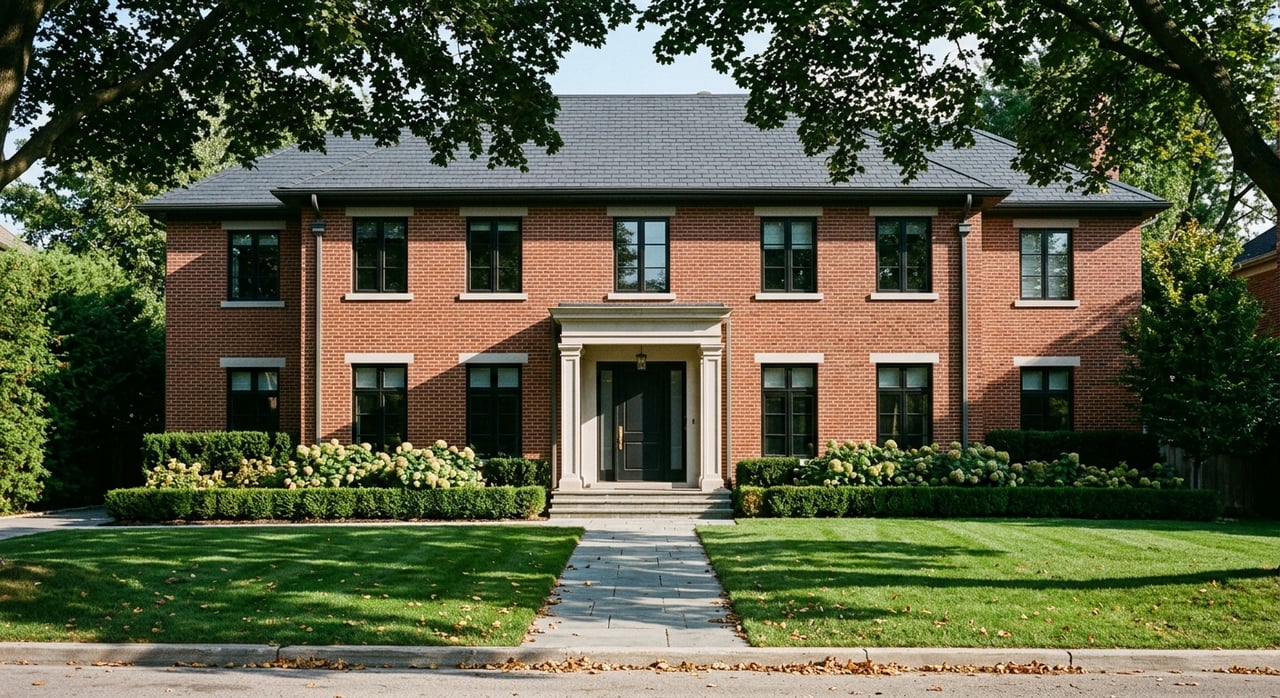
Clarendon Hills is mainly a detached single-family market. CMAP estimates that 69.4% of housing units are single-family detached, with another 4.9% classified as single-family attached. The rest are mostly smaller multifamily or condo-style properties.
That means your home search will likely focus on detached houses rather than large new-construction communities. If you want a traditional suburban single-family home with yard space, Clarendon Hills offers a strong fit. If you are hoping for a broad condo inventory, your choices may be more limited.
Home age shapes buyer expectations
The age of the housing stock is one of the biggest things to understand before you buy. CMAP reports that 41.1% of homes were built from 1940 to 1969, 18.5% from 1970 to 1989, 29.9% from 1990 to 2009, and 7.6% in 2010 or later. Only 2.9% of homes were built before 1940.
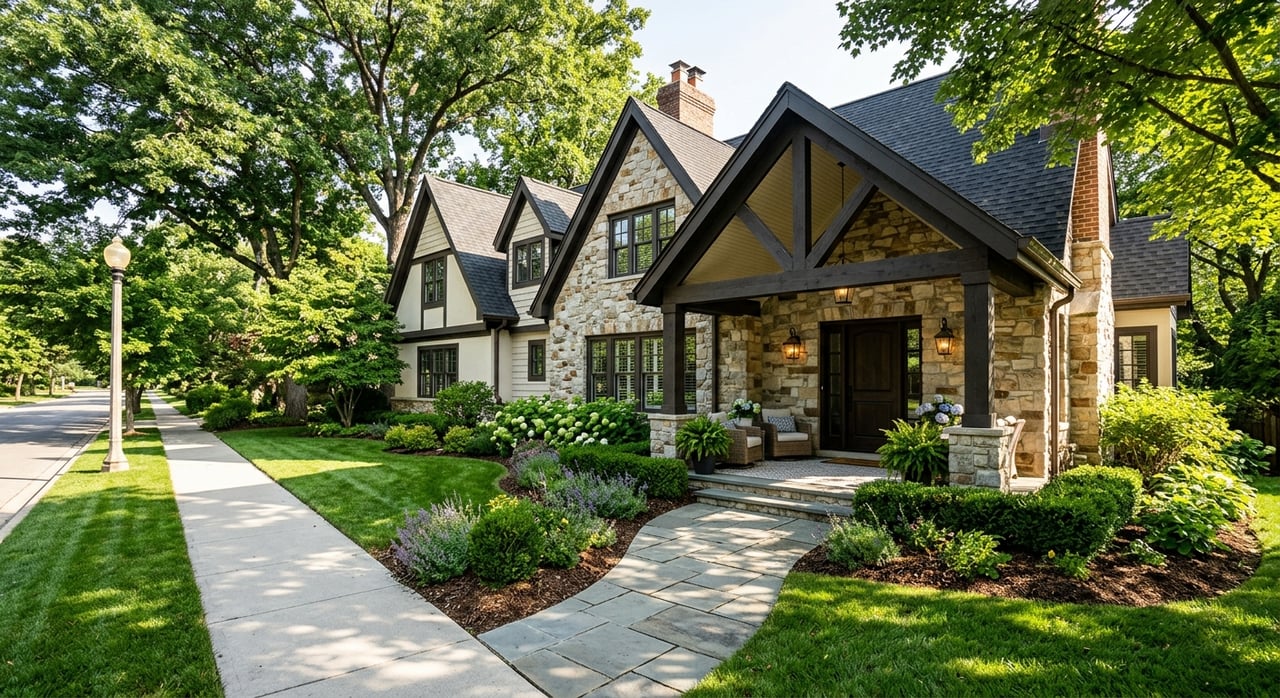
In practical terms, that usually means you are not shopping in a uniform new-build market. Instead, you may find older layouts, updated interiors, additions, or rebuilds depending on the property. CMAP also reports a median year built of 1981 and a median of 7.3 rooms per housing unit, which supports the idea that many homes offer substantial living space.
Expect variety, not sameness
Because of that age mix, two homes with similar price points can feel very different. One may be largely updated and move-in ready, while another may need repairs, layout changes, or long-term renovation planning. That is why it helps to look beyond photos and ask detailed questions early.
Why lot size and zoning matter
If you are considering a home you may expand, renovate, or rebuild later, lot rules matter just as much as the house itself. In Clarendon Hills, the baseline detached-home zoning district is R-1. The village zoning ordinance states that R-1 lots must be at least 9,000 square feet, at least 60 feet wide, and at least 110 feet deep.
The same ordinance sets a maximum building coverage of 30% and a maximum impervious-surface ratio of 0.55 for the first 9,000 square feet. Those numbers may sound technical, but they directly affect what can fit on a lot. If you hope to add square footage, build a larger garage, or plan a future teardown, these rules are important.
Not every lot is straightforward
Clarendon Hills lots are not perfectly uniform. The village’s 55th Street sub-area plan notes that some parcels were historically larger farmette-style lots and that setbacks can vary by street. The plan also references parcels with shapes or sizes that do not align neatly with current development standards.
For you as a buyer, that means potential can vary a lot from one property to the next. A lot that looks large on paper may still have frontage, setback, or shape issues that affect your plans. Before assuming a project will be easy, it is smart to verify what is possible.
Renovation and permit reality
Many buyers are open to improving a home over time, especially in an established market like Clarendon Hills. That can be a smart approach, but it is important to know that major work is permit-driven. The village requires a building permit for constructing, enlarging, remodeling, altering, repairing, raising, lowering, underpinning, moving, or wrecking a structure.
The village also adopted updated building codes effective February 1, 2026. If you are looking at a home with addition potential or considering a major remodel, local review is part of the process. That is not necessarily a reason to walk away, but it is a reason to plan carefully.
Stormwater review can affect your project
Clarendon Hills has stormwater rules designed to address the cumulative effects of teardowns and increased impervious surface. According to the village, the current threshold for new impervious area that triggers PCBMP storage was reduced to 300 square feet. Larger projects such as detached garages, room additions, and new homes may also require engineering review.
This is especially important if you are comparing an updated turnkey home against a property you want to customize. The lower purchase price on a fixer-upper may not tell the full story if lot constraints, permits, and stormwater requirements complicate the work. Understanding that early can help you make a more realistic decision.
What the market feels like right now
Clarendon Hills pricing can look different depending on which metric you are reading, so context matters. Census QuickFacts reports a median owner-occupied home value of $605,800. Zillow’s home value index was $660,204 as of February 28, 2026.
Listing and closed-sale snapshots have recently been much higher. Realtor.com’s April 2026 summary showed a median listing price of $929,000, while Redfin’s March 2026 city page showed a median sale price of $924,500. These figures are not direct apples-to-apples comparisons, but together they suggest a market where many active and recently sold homes are priced well above older broad-value benchmarks.
Competition can still be strong
Even though the market is not uniformly overheated, desirable homes can still move quickly. Realtor.com reported 28 median days on market in April 2026 and a 100% sale-to-list ratio. Redfin reported 25 days on market, 10 homes sold, and a market competitiveness score of 88.
Redfin also noted that many homes receive multiple offers, some with waived contingencies, and that hot homes can sell about 6% above list price. In a small market with limited inventory, well-priced homes can draw fast attention. That is why preparation matters.
What inventory means for your timing
Inventory tends to improve seasonally in early spring and into early summer. Realtor.com reported that national inventory usually rises early in the year, and new listings increased 10.0% month over month in February 2026 and another 8.7% month over month in April 2026. In the Midwest, though, inventory in February remained 39.5% below typical 2017 to 2019 levels.
That broader regional backdrop matters in Clarendon Hills. Local snapshots showed 13 homes for sale on Zillow in late February 2026 and 32 homes for sale on Realtor.com in April 2026. In a village this size, that swing can meaningfully change how many realistic choices you have.
Best selection often comes in spring
Based on those patterns, buyers will often see the best selection from spring into early summer. Late fall and winter can feel tighter, simply because there are fewer homes available at any given time. If your timeline is flexible, that seasonal rhythm can help you plan your search more strategically.
That said, more inventory does not always mean less competition. A strong home that is priced well and presented clearly can still move fast in spring. You want enough preparation to act confidently when the right property appears.
Smart buyer moves in Clarendon Hills
A polished, well-organized search gives you an edge in a market like this. Realtor.com’s buyer guidance for Clarendon Hills specifically recommends pre-approval, a realistic budget, and a contingency plan. Local market pace supports that advice.
Here are a few practical steps to keep in mind:
- Get pre-approved before you actively tour homes.
- Set a clear budget that includes taxes, monthly costs, and likely upkeep.
- Decide in advance which contingencies are essential for your comfort.
- Look closely at lot size, frontage, and layout if future expansion matters to you.
- Ask questions early about permits, additions, garages, and teardown potential.
- Move quickly when a home checks your boxes and aligns with your budget.
The bottom line for buyers
Clarendon Hills offers a mature, mostly detached, owner-occupied housing market with meaningful variety from one home to the next. That variety is part of the appeal, but it also calls for a more informed approach. If you understand home age, lot constraints, permit review, and the local pace of sales, you can make smarter decisions and write offers with more confidence.
Buying here is not just about finding a house you like. It is about matching your goals to the realities of the property, the lot, and the market. If you want a process that feels intentional, informed, and well-coordinated from the start, Don Joseph - Idv Site is ready to help you take the next step.
FAQs
What types of homes are common in Clarendon Hills?
- Clarendon Hills is primarily a single-family detached market, with CMAP estimating 69.4% of housing units as detached single-family homes and 4.9% as single-family attached.
What should buyers know about home age in Clarendon Hills?
- Many homes were built between 1940 and 1969, with additional inventory from later decades, so you may see a mix of older traditional homes, mid-century properties, updated homes, and newer infill construction.
What should buyers know about lot rules in Clarendon Hills?
- In the village’s R-1 district, lots generally must be at least 9,000 square feet, 60 feet wide, and 110 feet deep, with building coverage and impervious-surface limits that can affect renovation or rebuild plans.
What should buyers know about remodeling a home in Clarendon Hills?
- The village requires permits for major construction and remodeling work, and some projects may also trigger stormwater storage or engineering review depending on the amount of new impervious surface.
How competitive is the Clarendon Hills housing market for buyers?
- Recent 2026 market snapshots showed homes selling in about 25 to 28 days, with a 100% sale-to-list ratio in one April report and multiple offers noted for many well-priced homes.
When is the best time to buy a home in Clarendon Hills?
- Buyers often see the most selection from spring into early summer, while late fall and winter may offer fewer choices due to seasonal inventory patterns.
How can buyers prepare for a home search in Clarendon Hills?
- A strong approach includes getting pre-approved, setting a realistic budget, deciding which contingencies matter most, and checking lot and permit factors early if future improvements are part of your plan.