Selling a home in Clarendon Hills is not just about putting a sign in the yard and hoping for the best. In a market where homes are moving in about 28 days and the sales-to-list-price ratio is around 100%, the details matter. If you want a smooth, well-orchestrated sale, the right plan can help you price with confidence, prepare your home with purpose, and launch at the right moment. Let’s dive in.
Start Earlier Than You Think
One of the most common mistakes sellers make is waiting too long to begin. National housing data points to spring and summer as the busiest selling seasons, and Realtor.com research has identified mid-April as a historically strong listing window.
That does not mean you should wait until spring to start planning. A smarter approach is to begin several weeks before your ideal list date so you have time for valuation, repairs, cleaning, staging, and photography. Realtor.com also reported that 53% of sellers took one month or less to get ready, which gives you a practical benchmark as you build your timeline.
Understand the Clarendon Hills Market
Clarendon Hills remains a largely owner-occupied community, with census estimates showing an 84.2% owner-occupied housing rate. The same source reports a median value of $605,800 for owner-occupied homes, while Zillow’s March 31, 2026 Home Value Index places the average home value at $666,351, up 9.2% year over year.
At the same time, Realtor.com’s Clarendon Hills market snapshot showed 32 homes for sale, a median list price of $929,000, median days on market of 28, and a 100% sales-to-list-price ratio. These numbers come from different methodologies, so they should be treated as directional, not as direct pricing evidence. Still, they point to the same conclusion: buyers are active, inventory is relatively tight, and pricing precision matters.
Build Your Listing Plan Step by Step
Step 1: Get a Realistic Home Valuation
Before you make any decisions, you need a clear picture of your home’s likely market value. Automated estimates can be useful as a starting point, but they are not a substitute for a comparative market analysis based on recent sold homes.
That distinction matters because appraisals and pricing are both tied to comparable sales, yet neither is exact. National guidance notes that appraisals are professional opinions of value and may not fully account for a seller’s need for speed, timing, or market strategy. In Clarendon Hills, where homes are selling close to asking price, launching with a disciplined list price can help you avoid sitting on the market or making unnecessary price adjustments.
Step 2: Review Repairs and Condition
Once you understand your pricing range, the next step is to look at condition honestly. A pre-sale inspection is not required, but it can help identify issues in the structure, exterior, roof, plumbing, electrical, heating and cooling systems, insulation, ventilation, fireplaces, and potential environmental concerns like mold, radon, lead paint, or asbestos.
Even if you decide not to complete every repair, knowing the likely issues ahead of time gives you more control. It can help you price more accurately, plan improvements with intention, and reduce surprises during buyer inspections.
Step 3: Check Permit Requirements
If you plan to do meaningful work before listing, do not skip this step. Clarendon Hills requires permits for remodeling, altering, repairing, and related work, so it is important to check village rules before the project begins.
This is especially important if you are updating a bathroom, kitchen, electrical system, or other major component to improve marketability. A polished sale starts with clean execution behind the scenes as well as in the finished product buyers see.
Step 4: Declutter and Deep Clean
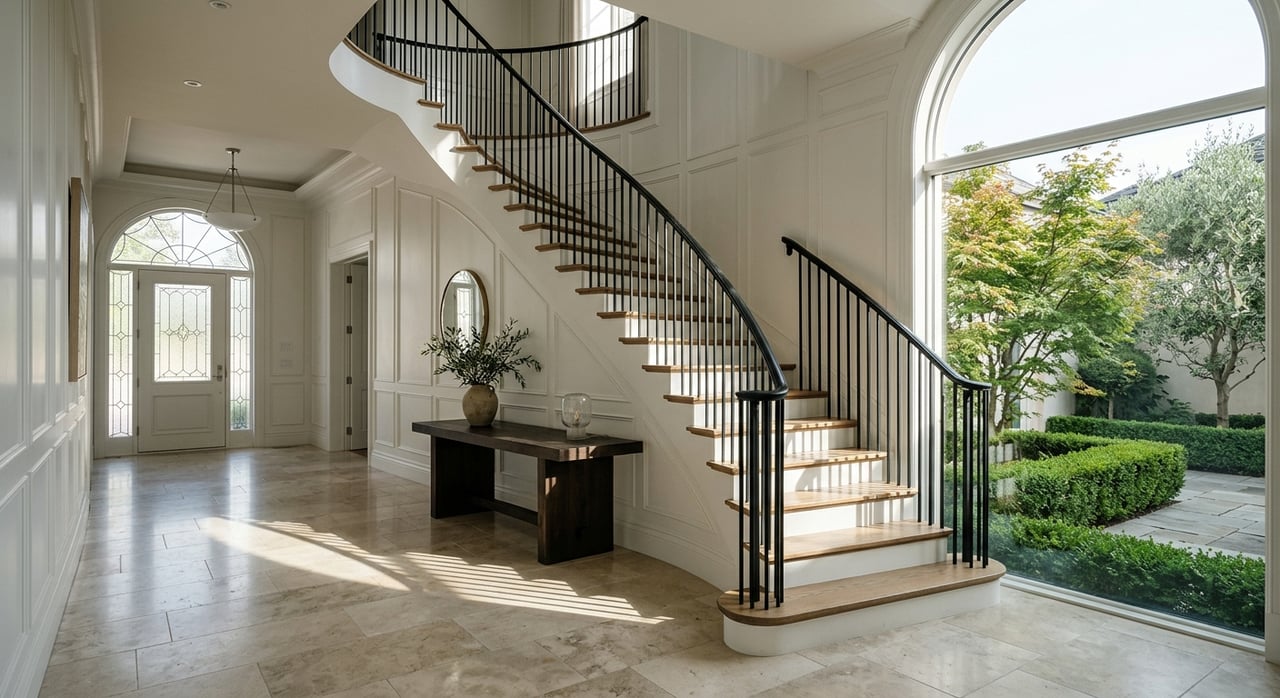
Before photos are scheduled, your home should be cleaned and simplified. Guidance for sellers recommends cleaning windows, carpets, lighting fixtures, and walls, while also storing away extra clutter.
The goal is not to erase your home’s character. It is to help buyers focus on space, light, layout, and condition. In a market with limited inventory, first impressions carry more weight because buyers are comparing your home against a relatively small pool of options.
Step 5: Improve Curb Appeal
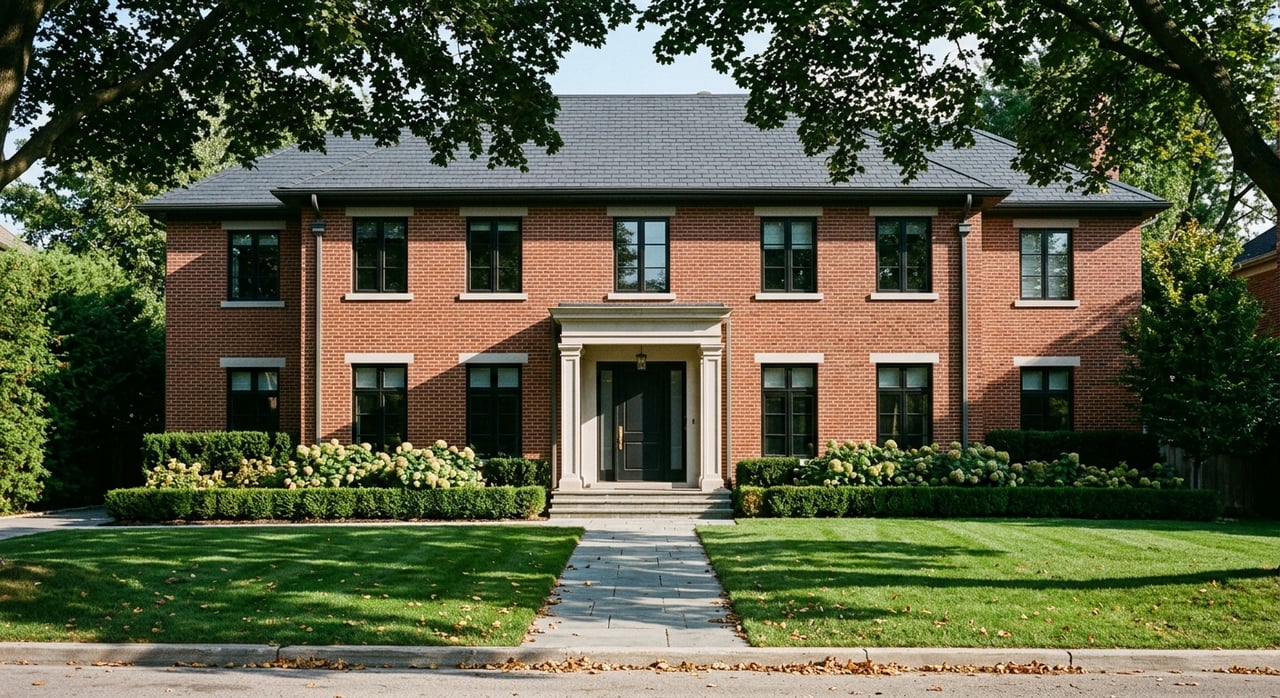
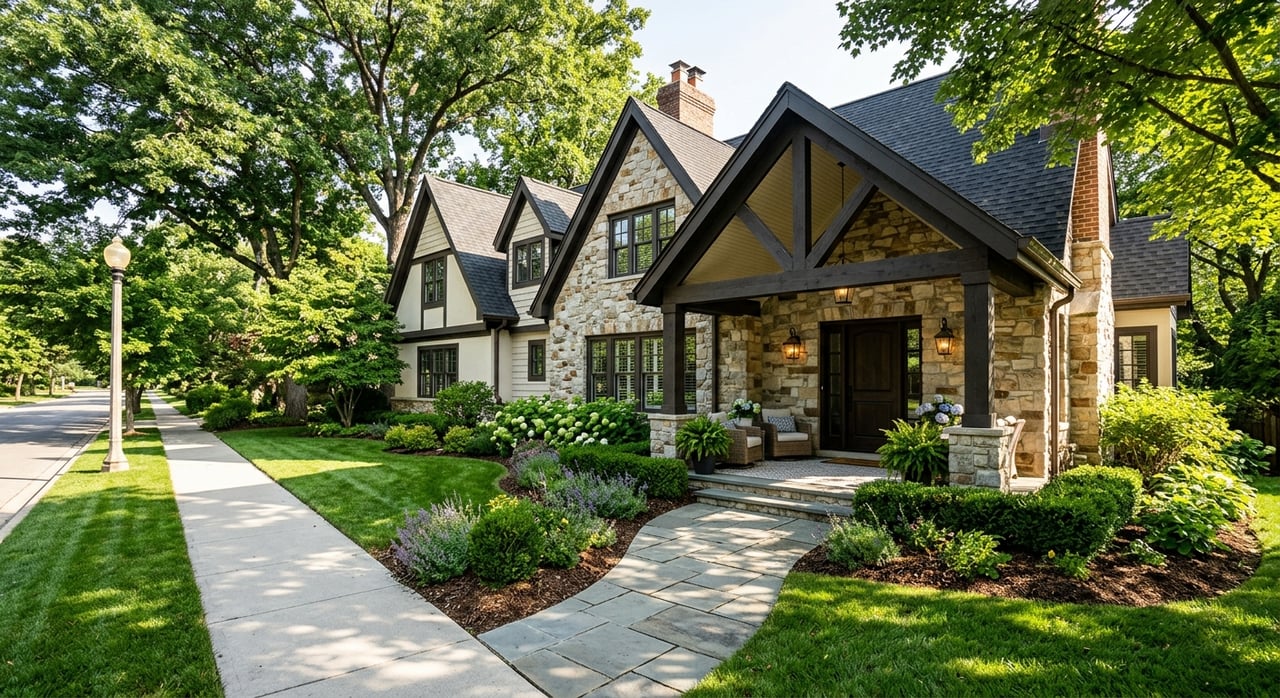
Your exterior sets the tone before buyers ever step inside. Landscaping, fresh paint, and a tidy front entrance can all strengthen that first impression.
This does not always require a major investment. Often, small updates that make the property look cared for and move-in ready can support stronger marketing photos and a better showing experience.
Step 6: Consider Staging Strategically
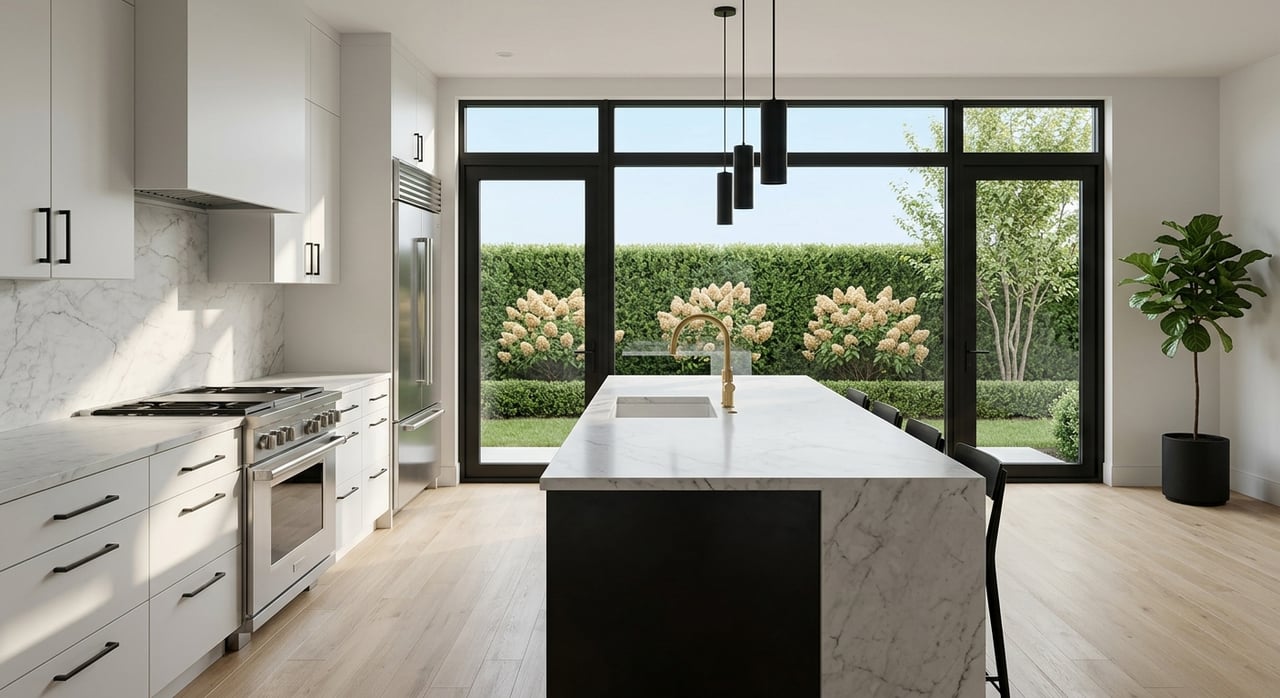
Staging can be a smart tool, especially if your home has large rooms, unique layouts, or spaces that need clearer purpose. In the National Association of Realtors’ 2025 staging report, 29% of agents said staging increased the dollar value offered by 1% to 10%, and 49% said it reduced time on market.
That does not mean every home needs full-service staging. It does mean presentation matters. Sometimes a light staging plan, furniture editing, or room-by-room styling can create the polished, elevated feel buyers respond to.
Step 7: Prioritize Professional Photography
If there is one part of your launch you should not treat as optional, it is photography. In NAR staging research, 73% of buyers’ agents said photos were highly important, ranking ahead of physical staging, video, and virtual tours.
Your online debut shapes how many buyers decide to schedule a showing. In Clarendon Hills, where the first week on market can be especially important, strong visuals help you capture attention quickly and set the right tone from day one.
Step 8: Gather Your Documents Early
Paperwork is easier to handle when you assemble it before the listing goes live. Seller guidance recommends gathering warranties, guarantees, and manuals for appliances and major systems that will remain with the home.
You should also be ready for Illinois-specific disclosures. Sellers should plan for the Residential Real Property Disclosure Report, which is intended to inform buyers about material defects before a contract is signed.
Step 9: Prepare Required Illinois Disclosures
Illinois sellers need to be especially mindful of disclosure timing. Under the Illinois Residential Real Property Disclosure Act, if a material-defect disclosure is delivered after contract signing, the buyer may have a 5-business-day right to terminate.
There are also other disclosures to consider, depending on the property. If your home was built before 1978, you must disclose known lead-based paint information and provide the required lead hazard pamphlet before a contract is signed. Illinois also requires radon disclosures and pamphlets before the buyer is obligated under contract, even though the seller is not required to test or mitigate.
Step 10: Launch With a Showing Plan
Once your home is priced, prepared, photographed, and documented, it is time to launch. This is where timing, presentation, and responsiveness come together.
Because Clarendon Hills inventory snapshots have shown a relatively small number of active listings, your home’s first week on the market matters. Buyers often move quickly when a new option appears, so your showing plan should be organized from the start, with the home ready to present well on short notice.
What Happens After You Accept an Offer
Getting under contract is a major milestone, but it is not the finish line. After the contract is signed, the buyer’s lender will typically order an appraisal, and a title search is usually completed while the parties move through escrow.
Buyer inspections are also common and may uncover issues that need to be addressed before closing. If you prepared well before listing, this stage often feels more manageable because fewer surprises remain.
Do Not Miss the Closing Details
In Illinois, transfer tax and transfer declaration forms are part of the closing process. The state real estate transfer tax is $0.50 for each $500 of value or fraction thereof, and counties may impose up to $0.25 per $500. The Illinois Department of Revenue uses PTAX-203 and, where available, MyDec for transfer declarations.
Clarendon Hills also has one very local step sellers should not overlook. The village asks residents to request a final water meter reading at least seven business days before account cancellation, and the final bill must be paid and affixed with the transfer certificate stamp prior to closing.
Why a Step-by-Step Plan Matters
A successful sale is rarely the result of one big decision. More often, it comes from a series of smart, well-timed choices around pricing, preparation, marketing, disclosures, and closing logistics.
In Clarendon Hills, where buyers are paying close attention to condition and value, that level of coordination can make a meaningful difference. When your sale is handled with precision, the process feels more controlled, more efficient, and far less stressful.
If you are thinking about listing your Clarendon Hills home, the best next step is a conversation about timing, pricing, and preparation. Connect with Don Joseph - Idv Site for a thoughtful, elevated plan built around your goals.
FAQs
How early should I start preparing to list my Clarendon Hills home?
- A practical timeline is to start several weeks before your target list date so you have time for valuation, repairs, cleaning, staging, photography, and required disclosures.
Do I need a pre-sale inspection for my Clarendon Hills home sale?
- No, a pre-sale inspection is not required, but it can help uncover issues that may affect pricing, negotiations, or buyer confidence.
What disclosures are required when selling a home in Illinois?
- Illinois sellers should be prepared for the Residential Real Property Disclosure Report, radon disclosure materials, lead-based paint disclosures for pre-1978 homes, and transfer declaration forms where applicable.
Are professional photos and staging worth it for a Clarendon Hills listing?
- Yes, seller research shows photos are highly important to buyers’ agents, and staging may help reduce time on market and improve perceived value.
What local closing step should Clarendon Hills sellers remember?
- You should request a final water meter reading at least seven business days before account cancellation, and the final bill must be paid and stamped before closing.