Trying to decide between a historic home and a newer one in Hinsdale? You are not alone. In a market with large single-family homes from different eras, the real question is often less about size and more about how you want to live, maintain, and potentially change the home over time. This guide will help you compare character, upkeep, renovation flexibility, and long-term costs so you can move forward with more clarity. Let’s dive in.
Hinsdale's Housing Mix
Hinsdale is largely a single-family home market, with 81.9% of its housing stock made up of detached homes. The median home was built in 1981, which means you will see a mix of older properties and more recent construction as you tour the village.
That mix matters because both options are meaningful parts of the local market. About 15.8% of Hinsdale homes were built before 1940, while 31.8% were built from 1990 to 2009 and 11.5% were built in 2010 or later. Many buyers are comparing large homes from different eras, not choosing between completely different property types.
Hinsdale homes also tend to be spacious. The median home has 10 rooms, and 34.8% have five or more bedrooms. That often gives you more flexibility to focus on style, condition, and future plans rather than simply whether the home has enough space.
What Historic Means in Hinsdale
In Hinsdale, a home is not considered historic based on age alone. Local designation is what matters most when it comes to renovation rules, review processes, and long-term flexibility.
The village recognizes the Downtown Hinsdale Historic District and the Robbins Park Historic District. Both are also listed on the National Register, but federal listing by itself does not automatically limit what a private owner can do. Hinsdale's local preservation code is what creates local requirements for designated districts and landmarks.
That distinction is important if you are thinking ahead. If you buy a home because you love the location and charm but expect to make major exterior changes later, you will want to verify the property's local status before you assume what is possible.
Where Local Rules May Apply
The Downtown Hinsdale Historic District is roughly bounded by Maple, Lincoln, Garfield, and Second. The Robbins Park Historic District is roughly bounded by Chicago, 8th, County Line, and Garfield.
If a property is a designated landmark, certain exterior alterations, demolition, signage, and other physical modifications may require a certificate of appropriiateness before permits can be issued. In Robbins Park, demolition, relocation, removal, and new construction can also trigger that review process.
For a buyer, this does not automatically mean "do not buy historic." It means you should go in with clear expectations and a plan. A beautiful older home can be a great fit if you value architecture and setting and you are comfortable with a more structured path for certain future changes.
Why Buyers Love Historic Homes
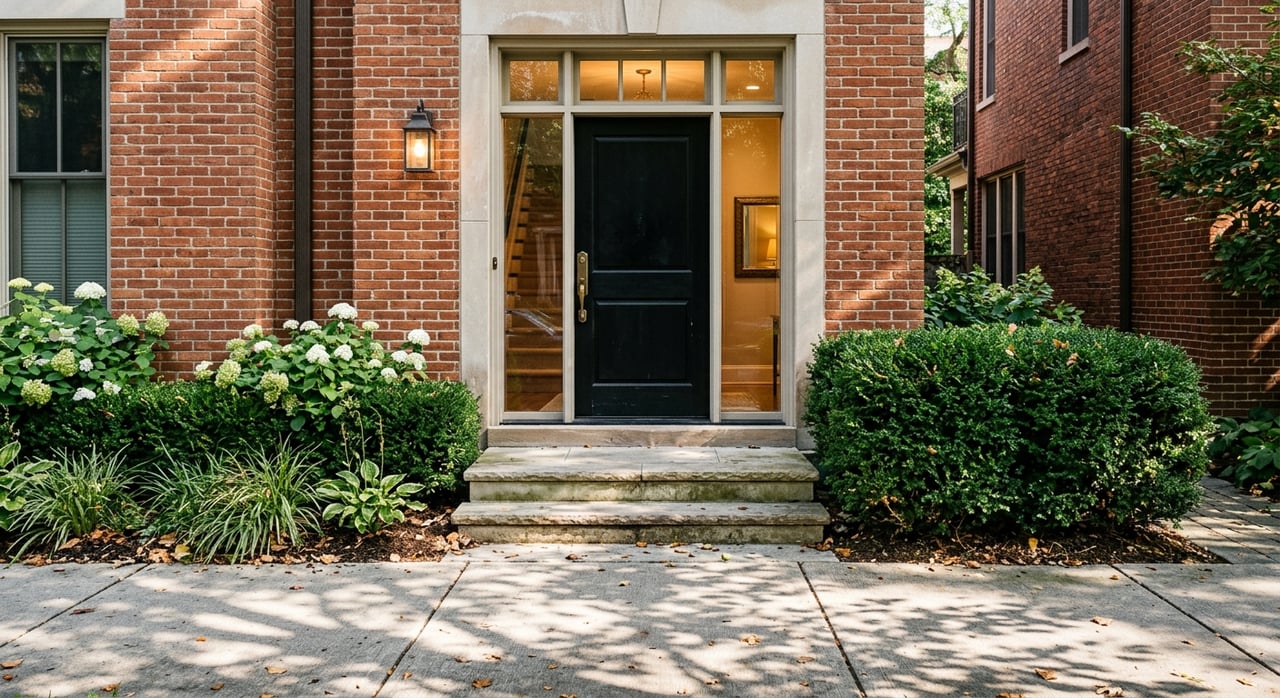
Historic homes often stand out because of their architectural detail, craftsmanship, and established setting. In a place like Hinsdale, that character can be a major part of the home's appeal.
You may also find that some historic properties come with preservation-related benefits. Hinsdale's Historic Overlay District is intended to encourage preservation and may include incentives such as fee waivers, grants or matching funds, property-tax rebates, expedited processing, and alternative bulk standards for eligible properties on the historically significant structures list.
Illinois also offers a property-tax assessment freeze program for qualifying owner-occupied historic principal residences after an approved rehabilitation. The assessed value may be frozen for eight years, followed by a four-year step-up. Eligibility depends on the property's historic status and the scope of the rehabilitation, so not every older home will qualify.
What to Watch With Older Homes
With older homes, diligence matters. Character can be a real advantage, but so is understanding what you may need to repair, replace, or update after closing.
Start with the core systems. You will want to understand the age and condition of the roof, windows, HVAC, plumbing, electrical, insulation, and water heater. A home that feels charming on day one can come with a very different ownership experience depending on how much of that work has already been completed.
If the home was built before 1978, lead-based paint should also be part of your review. The EPA says that roughly three-quarters of U.S. homes built before 1978 contain some lead-based paint, and buyers of most pre-1978 homes have disclosure rights. Renovation, repair, or painting in these homes can create dangerous lead dust if the work is not handled using lead-safe practices.
Energy use is another practical factor. In the Midwest, homes built before 1950 used 74.8 MMBtu of natural gas for space heating on average, compared with 48.9 MMBtu for homes built since 2010. Older homes were also more likely to report poor or no insulation, which can affect comfort and utility costs.
Why Newer Homes Appeal to Many Buyers
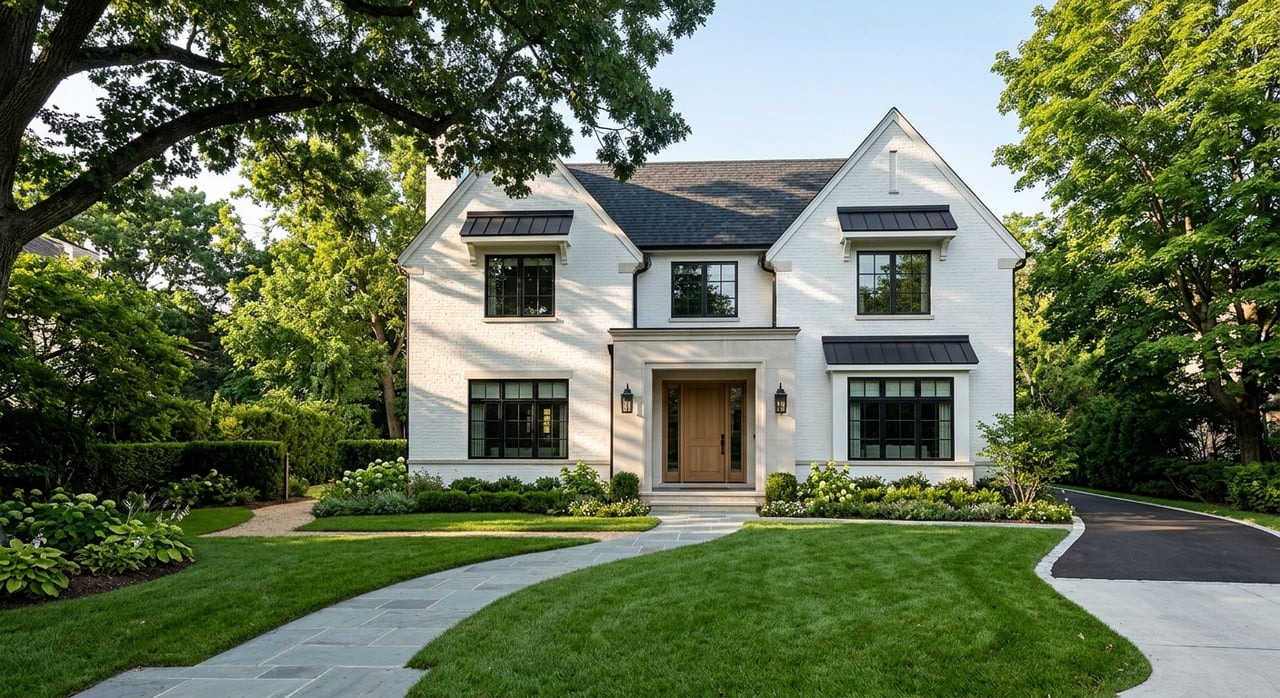
Newer homes offer a different kind of value. If you want a more predictable ownership experience, fewer immediate projects, and a layout that already fits modern living, newer construction may feel simpler.
In Hinsdale, that category is not tiny. Homes built from 1990 to 2009 make up 31.8% of the stock, and another 11.5% were built in 2010 or later. That gives you a meaningful set of options if your priority is move-in readiness.
Newer homes can also be easier if you want fewer preservation-related constraints. In Hinsdale, the certificate-of-appropriateness process is tied to designated landmarks and certain work in historic districts, not to a home's age alone. So a newer home usually appeals to buyers who want more freedom to update or expand without historic review issues.
Energy Performance in Newer Homes
New construction often starts from a stronger efficiency baseline. ENERGY STAR states that certified new homes must meet strict energy-efficiency requirements, and broader national data points in the same direction.
The U.S. Energy Information Administration found that homes built in 2000 or later were 30% larger but used only 2% more total energy on average than older homes. They used 21% less energy for space heating, though they used 18% more for appliances, electronics, and lighting.
The takeaway is simple. Newer does not always mean cheaper to run, but it often means fewer immediate retrofit priorities. For many buyers, that translates to a more predictable first few years of ownership.
Historic vs. Newer: The Real Tradeoff
In Hinsdale, the choice usually comes down to character and setting versus predictability and flexibility. Neither option is automatically better. The better choice is the one that matches how you want to live and what you want your next five to ten years to look like.
A historic home may be the right fit if you value architectural detail, appreciate an established streetscape, and are comfortable navigating more review or rehab complexity. A newer home may be the right fit if you prefer updated systems, a simpler maintenance path, and fewer likely hurdles when planning future changes.
That is why the label alone is not enough. Two homes with similar room counts can offer very different ownership experiences based on district status, system updates, energy performance, and your remodeling goals.
A Simple Framework for Your Decision
When you compare homes in Hinsdale, it helps to sort each one through four questions.
1. How Much Character Do You Want?
If period detail and architectural identity are high on your list, an older home may feel more special from the start. If clean finishes and a more current floor plan matter more, newer construction may better match your lifestyle.
2. How Much Maintenance Can You Absorb?
Every home needs upkeep, but older homes can come with more unknowns. If you want fewer likely near-term projects, newer homes often offer more predictability.
3. How Likely Are You to Remodel?
If you know you want to change exterior materials, expand, or rebuild in the future, check whether the property is locally designated before you make assumptions. In historic areas, the approval process may affect your timeline and options.
4. How Important Are Utility Costs?
If long-term efficiency is a priority, pay close attention to insulation, windows, and mechanical systems. Newer homes often have an advantage here, but updates in an older home can narrow the gap.
Questions to Ask on Every Hinsdale Tour
Bring these questions with you when you walk through either a historic or newer home:
- Is the property in the Downtown Hinsdale Historic District, Robbins Park Historic District, the Historic Overlay District, or none of the above?
- If it has historic status, what exterior changes require a certificate of appropriateness before permits can be issued?
- Is the home a contributing property or on the Historically Significant Structures Property List?
- Could the property qualify for preservation incentives or the Illinois historic assessment freeze program?
- Which major systems are original, and which have been updated?
- If the home was built before 1978, were lead-based paint disclosures provided and were renovations completed using lead-safe practices?
- How well does the current room layout fit your needs today and your flexibility needs later?
Choosing the Right Fit for You
The right Hinsdale home is the one that aligns with your priorities, not just your first impression. You may fall in love with the architecture of a historic property, or you may value the easier maintenance path and efficiency baseline of a newer home.
A clear buying strategy can help you compare these homes with more confidence. When you understand local designation, likely renovation limits, system condition, and long-term operating expectations, you can make a decision that feels both emotional and practical.
If you want a more intentional and elevated buying experience in Hinsdale, Don Joseph - Idv Site can help you evaluate the tradeoffs clearly and move forward with confidence.
FAQs
What makes a home historic in Hinsdale?
- In Hinsdale, historic status depends on local designation such as a landmark, historic district, or related overlay, not just the age of the home.
Do historic homes in Hinsdale have renovation restrictions?
- Certain exterior changes, demolition, relocation, removal, and some new construction in designated areas may require a certificate of appropriateness before permits are issued.
Are newer homes in Hinsdale more energy efficient?
- Newer homes often start with a stronger efficiency baseline, especially for heating performance, but total utility costs still depend on the home's size, systems, and how you use it.
Should you worry about lead-based paint in older Hinsdale homes?
- If a home was built before 1978, you should review lead-based paint disclosures and ask whether any renovation work was completed using lead-safe practices.
Can a historic home in Hinsdale qualify for tax benefits?
- Some qualifying owner-occupied historic homes may be eligible for Illinois' historic property-tax assessment freeze after an approved rehabilitation, but eligibility depends on the property's status and the scope of work.
Is a newer or historic Hinsdale home better for remodeling plans?
- If future exterior remodeling or expansion is important to you, a newer home may offer fewer review hurdles, while a historic property may involve local approval requirements depending on its designation.